For the Longest Time, I Had Narcolepsy and Didn't Know It
I spent most of my life believing constant exhaustion was something I simply had to manage. Receiving a Type 1 narcolepsy diagnosis gave me an answer—and an entirely new question: now what?
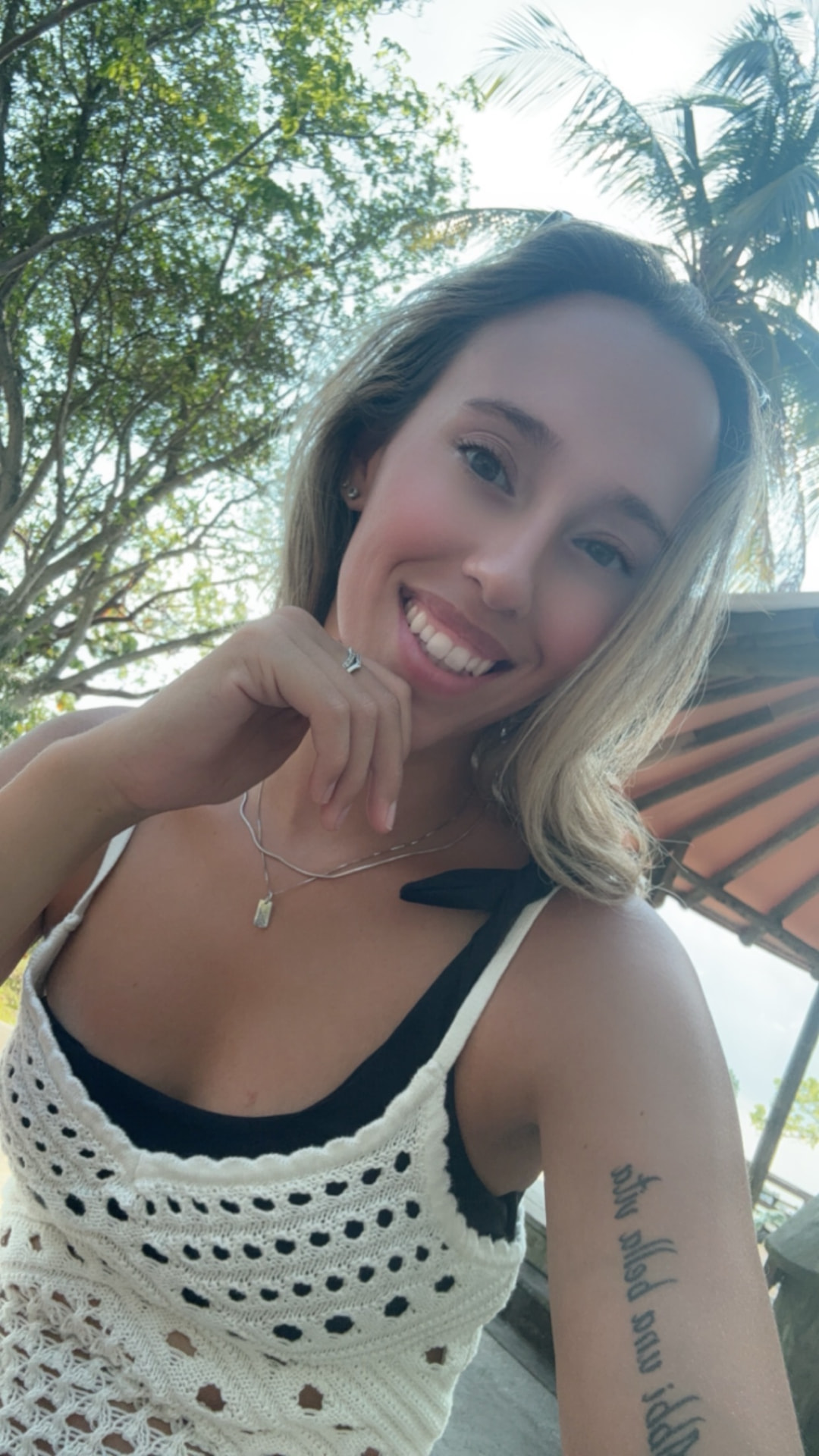
Anne King
- Before I Knew
- Diagnosis
- Daily Life
- Personal Experience
I have been tired for as long as I can remember.
Not “I stayed up too late” tired. Not “I could use another cup of coffee” tired. I mean constantly, ridiculously tired—even when I was a little kid.
For a long time, I thought there were other explanations. I wondered whether the exhaustion came from stress, because there was plenty of it. Stress certainly didn't help, but it wasn't the whole answer.
I also assumed that maybe everyone felt like this.
Maybe everyone struggled to stay awake in class. Maybe everyone suddenly dozed off while reading or watching a movie. Maybe other people were also fighting sleep during ordinary conversations and social situations.
Apparently not. LOL.
I could fall asleep almost anywhere
I didn't just become sleepy when I was somewhere quiet and comfortable.
I have dozed off in classes, while reading, during movies and while hanging out with groups of people. I once started falling asleep during an in-person interview.
I even dozed off outside at Formula 1 in Miami—surrounded by heat, crowds, noise and extremely loud race cars. My friends were understandably looking at me like, “Ummm…what is happening?”
Sometimes people thought I was drunk or high. Other times, they worried that I was having some kind of medical emergency. Meanwhile, I was just doing what my body had apparently decided to do: falling asleep.
There were also times when overwhelming sleepiness hit while I was driving. I tried the things people commonly suggest—loud music, opening the windows, pinching myself and desperately trying to force myself awake. They didn't make the situation safe. When I couldn't stay alert, I pulled over.
That part of my story isn't a driving tip or something I want to normalize. It demonstrates how powerful the sleepiness could be and why simply “trying harder” wasn't enough.
For years, I kept getting other explanations
I spent years hearing that I needed to be less stressed, sleep better or manage possible insomnia.
I even tried sleeping medication, which was a horrible experience for me.
But the central problem remained: I was profoundly tired, and I could fall asleep in circumstances where most people would not.
Eventually, I found a doctor who helped me get an overnight sleep study followed by another test the next day. That process finally led to an official diagnosis of Type 1 narcolepsy.
I was around 27 or 28.
Finally, an answer—and then another question
The diagnosis brought an enormous amount of relief and validation.
There was a reason this had been happening for so long. I finally had an explanation for experiences that had confused me—and occasionally everyone around me—for most of my life.
But almost immediately, the relief turned into another question:
Okay…now what?
How do I manage this? Are there medications? Treatments? Is there a cure? What can make everyday life more manageable?
I was surprised by how limited the practical guidance could feel. Receiving a diagnosis gave me a name for what I was experiencing, but it didn't automatically give me an instruction manual for living with it.
A diagnosis doesn't build your life for you
I have tried medications for narcolepsy. They can help, and they can also have pros and cons. That is part of my experience, and it is something I want to talk about honestly.
But medication is only one part of a much larger life.
I have had to learn how to communicate with people, plan around my actual energy and stop treating rest like something I should be embarrassed about. Sometimes, when I go out, I wear a narcolepsy bracelet. I let people at work or in my life know that I have narcolepsy so they understand what may be happening and don't immediately panic.
Getting a diagnosis can be incredibly helpful. But life doesn't magically change because a condition finally has a name. You still have to learn what it means for you, what supports you and how to build a life that works with your reality.
That is true of narcolepsy, and it is probably true of many diagnoses.
What I wish I had known sooner
I wish I had known that being constantly tired was worth investigating.
I wish I had known that falling asleep so easily wasn't something I needed to dismiss or quietly work around forever.
I wish practical support had been easier to find after diagnosis—support for work, planning, travel, social situations, appointments, rest and the countless ordinary moments that don't fit neatly into a medical explanation.
Most of all, I wish someone had helped me connect the diagnosis to daily life.
That is why I created NAP: Narcolepsy. Actually. Practical.
NAP is not about pretending to cure narcolepsy or replacing qualified medical care. It is about the part that comes after the explanation:
- How do I plan today?
- How do I communicate what I need?
- What patterns do I notice in my own life?
- What might be useful to bring to an appointment?
- How can I make work, travel and everyday responsibilities more manageable?
- And how can I stop feeling like rest is something I have to earn?
I'm still learning. I still have more stories—some serious, some frustrating and some honestly ridiculous. But I want to share them because living with narcolepsy can feel confusing and isolating, especially when you spent years not knowing you had it.
If that sounds familiar, you are not the only one.
You are allowed to be tired. You are allowed to rest. And you deserve practical support for the life you actually have.
Try a practical tool
Daily NAP Planner
Free, available now. Plan for the energy you actually have.
Try Daily NAP PlannerRelated reading
The Years I Thought It Was Just Me
Before there was a name for it, there was a private theory: that I was lazy, unreliable, or badly built.
The NAP Method: Notice, Adjust, Prioritize
A three-step planning check-in for days you cannot forecast, and the thinking behind each step.